Gluten-Free High-Protein Blueberry Bagels
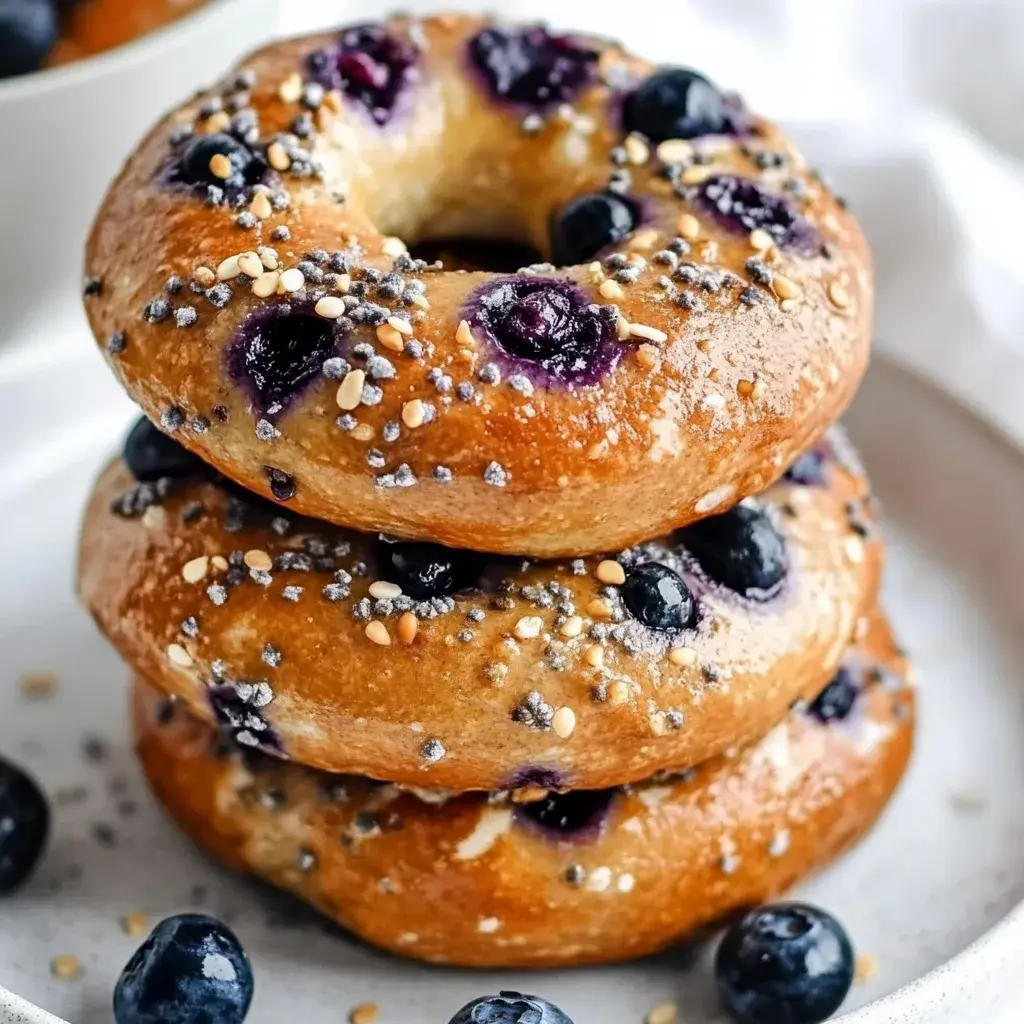
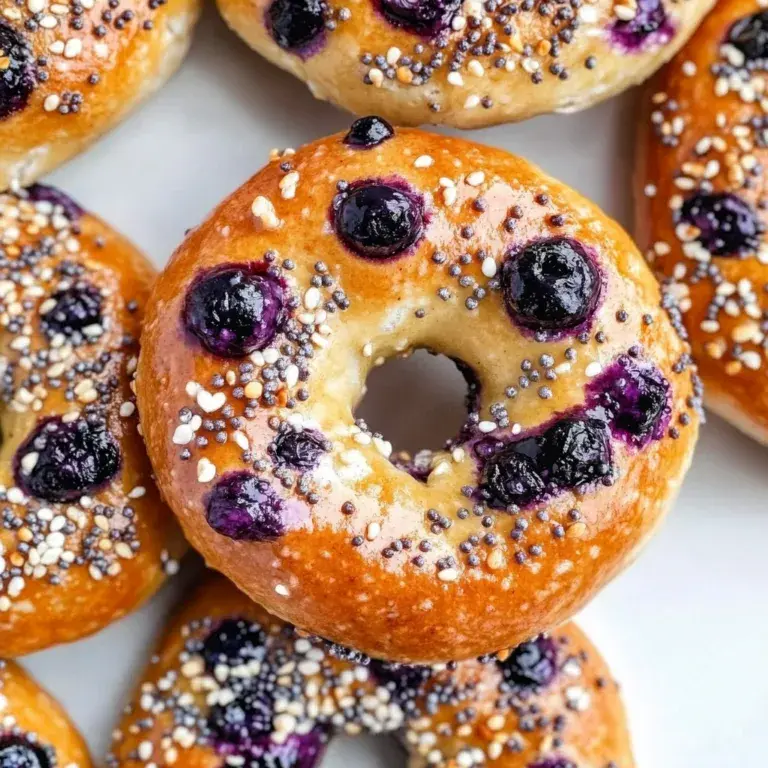
These Gluten-Free High-Protein Blueberry Bagels are soft, chewy, and naturally sweet. Packed with protein from Greek yogurt and almond flour—no gluten, yeast, or refined sugar required!
Total: 35 minYield: 4 bagelsMethod: Baked
In this recipe
There's something deeply satisfying about creating these chewy, protein-packed rings studded with bursts of juicy blueberries—knowing they're completely gluten-free yet still deliver that authentic bagel experience we all crave.
Perfect Texture Without the Gluten
These blueberry beauties solve that problem brilliantly. The combination of almond flour and whey protein isolate creates a sturdy structure that holds up to toasting and spreads. The first time I bit into one, still warm from the oven, I actually closed my eyes in disbelief—that perfect resistance when you bite, followed by a tender interior. No more settling for dense, crumbly substitutes or missing out on bagel sandwiches!
Nutritional Powerhouse for Active Lifestyles
Each bagel delivers an impressive 18-20 grams of protein, making them perfect for busy mornings or post-workout fuel. Unlike traditional bagels that spike blood sugar, these maintain steady energy levels thanks to the balance of protein and healthy fats. The fresh blueberries add natural sweetness plus antioxidants that support recovery.
Essential Tips & Tricks
Mastering the Dough Consistency
Working with gluten-free dough requires a different approach than traditional bagel-making. The dough texture is the key indicator of success—it should feel tacky but not sticky, firm enough to hold its shape. If it's too wet, your bagels will flatten; too dry, and they'll crack during baking. Add liquid gradually, a tablespoon at a time, until you achieve that perfect moldable consistency. Let the dough rest for 10 minutes before shaping to allow the flours to fully hydrate.
The Boiling Step Is Non-Negotiable
Don't skip the boiling step—it's what gives these bagels their authentic chewy exterior. The honey-water bath creates that distinctive bagel shine and texture. I once tried to shortcut this process and ended up with something closer to bread rolls than bagels! Keep the water at a gentle simmer rather than a rolling boil, and limit the time to 45 seconds per side. The bagels should float immediately—if they sink and stay down, your dough needs more structure from additional protein powder.
Serving Ideas & Creative Variations
Beyond Basic Breakfast
Transform these protein-packed rings into mini breakfast pizzas by topping halves with avocado, a poached egg, and everything bagel seasoning. For lunch, try building open-faced sandwiches with smoked salmon, dill cream cheese, and cucumber. My personal favorite is toasting them with a slice of sharp cheddar and thinly sliced apples—the sweet-savory combination is incredible! These versatile bagels work beautifully in both sweet and savory applications.
Seasonal Flavor Adaptations
While blueberries create the perfect summer bagel, you can easily adapt this recipe year-round. In fall, swap blueberries for diced apples and cinnamon. Winter calls for cranberry-orange, while spring welcomes lemon-poppy seed variations. The base dough remains the same—just adjust your mix-ins and toppings. I keep a batch of the dry ingredients pre-mixed in my pantry for quick weekend baking. For more seasonal baking inspiration, check out our seasonal baking collection.
Storage & Troubleshooting Guide
Maximizing Freshness
These bagels stay fresh at room temperature for just 1-2 days due to their high moisture content and lack of preservatives. For optimal storage, slice them once completely cooled, then freeze in an airtight container with parchment paper between layers. They reheat beautifully from frozen—just pop them straight into the toaster!
Solving Common Baking Issues
If your bagels deflate after boiling, your dough likely needs more structure—add an additional tablespoon of psyllium husk powder next time. For bagels that crack during baking, your dough was too dry or didn't rest long enough. Pale, soft crusts usually indicate your oven temperature was too low or the bagels weren't boiled long enough.
Frequently Asked Questions
Can I substitute the whey protein for a plant-based option?
Yes! Pea protein isolate works wonderfully as a 1:1 replacement for whey in these Gluten-free High-Protein Blueberry Bagels. You might need to add an extra tablespoon of water as plant proteins tend to absorb more moisture.
Why did my bagels turn purple?
This happens when fresh blueberries burst during mixing. For defined blueberry spots rather than purple bagels, use frozen blueberries without thawing them first, and fold them in gently at the very end.
Can I make these without a stand mixer?
Absolutely! While a stand mixer makes the process easier, you can mix by hand with a sturdy wooden spoon, then knead the dough on a clean, lightly floured surface for about 5 minutes.
How can I make them even higher in protein?
Replace ¼ cup of the almond flour with an additional ¼ cup of protein powder. You can also brush with egg wash before baking and sprinkle with protein-rich seeds like hemp or pumpkin.
Can I use frozen blueberries instead of fresh?
Yes! Frozen blueberries actually work better as they're less likely to burst during mixing. Don't thaw them—add them frozen directly to the dough during the final mixing stage.
Gluten-Free High-Protein Blueberry Bagels
These Gluten-Free High-Protein Blueberry Bagels are soft, chewy, and naturally sweet. Packed with protein from Greek yogurt and almond flour—no gluten, yeast, or refined sugar required!
- Bread
- Breakfast
- Baked
Cook’s checkpoint
- Frying oil
- 350°F / 175°C
- Chicken, thickest part
- 165°F / 74°C
Use a food thermometer. Color and time alone don’t confirm poultry is done.
Ingredients
Instructions
Notes
- Store in the fridge up to 5 days or freeze for longer shelf life.
- For dairy-free, try plant-based yogurt and skip egg wash.
- Add 1 scoop vanilla protein powder for an extra protein boost—adjust flour if needed.