Slow Cooker Hungarian-Style Goulash with Paprika & Potatoes
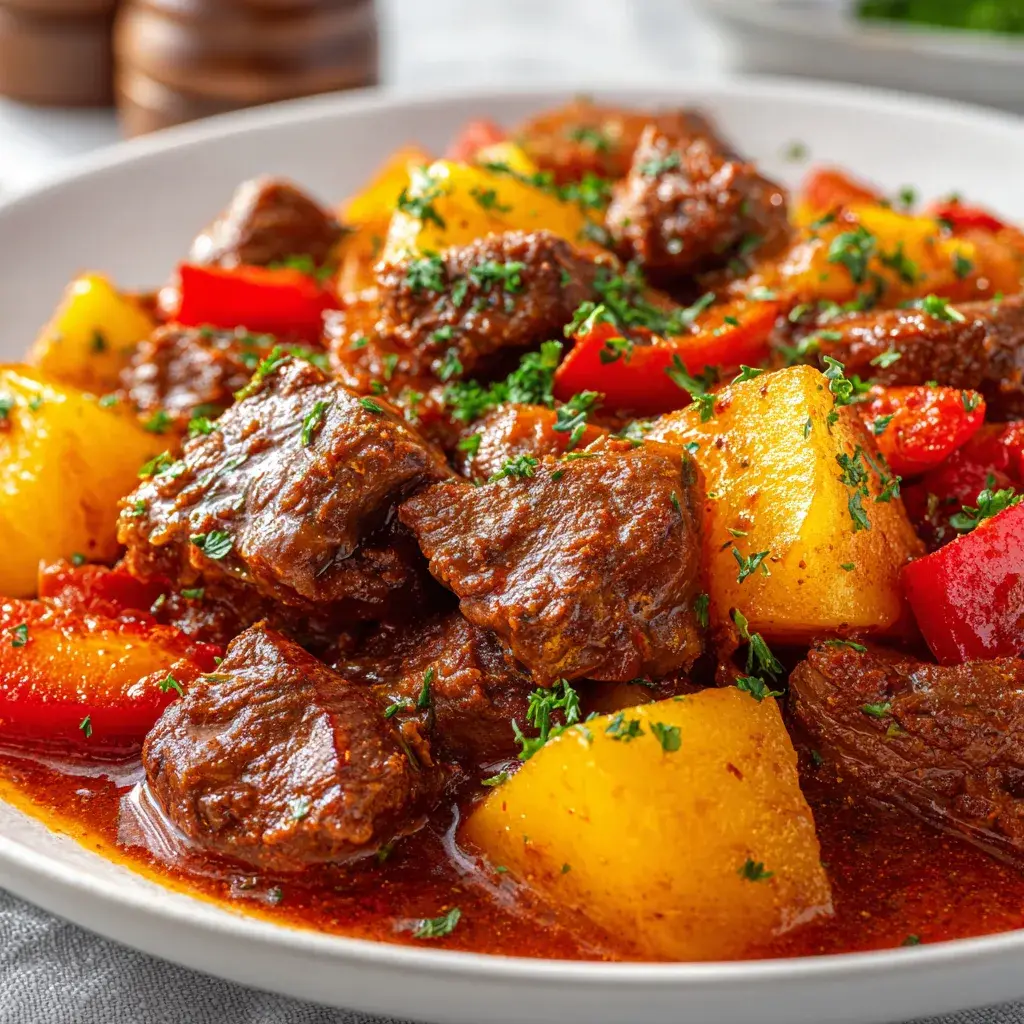
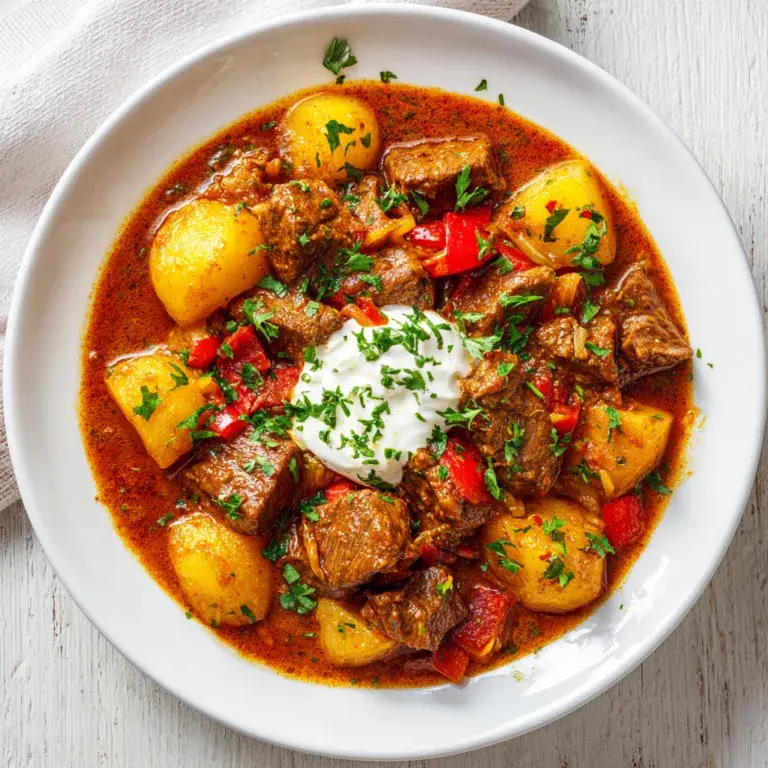
This Slow Cooker Hungarian Goulash is rich, robust, and packed with beef, sweet paprika, and soft potatoes. It simmers low and slow in a tomato-paprika broth for a comforting, old-world meal that’s perfect for cold days.
Total: 8 hr 20 minYield: 6 servingsMethod: Slow Cooker
In this recipe
There's something magical about how the slow cooker transforms simple ingredients into a velvety, complex dish where tender beef practically melts against hearty potatoes. If you're craving a meal that delivers both comfort and flavor, this Hungarian classic deserves a permanent spot in your recipe collection.
Why You'll Love This Slow Cooker Hungarian‑Style Goulash with Paprika & Potatoes
A Perfect Make-Ahead Meal
The beauty lies in its set-it-and-forget-it nature —just 20 minutes of morning prep rewards you with a dinner that tastes like you've been cooking all day. The flavors actually improve overnight, making leftovers even more delicious. Plus, it freezes beautifully for those nights when cooking feels impossible but takeout just won't satisfy your soul.
Depth of Flavor Without Complexity
Don't let the rich flavor profile fool you—this dish is surprisingly straightforward. The magic ingredient is Hungarian paprika, which creates that distinctive deep red color and sweet-spicy warmth that defines authentic goulash. The slow cooker does the heavy lifting, allowing the beef to release its richness while absorbing the paprika's complexity. The potatoes soak up the savory broth, becoming little flavor bombs that practically dissolve on your tongue. It's comfort food with character, not just another basic beef stew.
Essential Tips & Tricks
Choosing the Right Paprika
The soul of Hungarian goulash lives in its paprika, making this spice choice absolutely critical to success. Seek out genuine Hungarian sweet paprika (édes nemes) for its vibrant color and complex, fruity warmth—it's worlds apart from the dusty stuff that's been sitting in your spice cabinet for years. For extra dimension, I add a small amount of hot Hungarian paprika (erős) to create gentle heat that builds with each bite. Remember to store your paprika in a cool, dark place and replace it every six months for the best flavor profile.
The Browning Step You Can't Skip
I know it's tempting to just toss everything into the slow cooker, but taking time to properly brown your meat and onions creates the foundation for exceptional goulash. When those cubes of beef hit the hot pan, they develop a caramelized crust that contributes richness no amount of slow cooking can replicate. Allow your onions to slowly caramelize until they're golden and sweet—this builds the base notes that support the paprika. These extra fifteen minutes of effort make the difference between a good goulash and an outstanding one.
Serving Ideas & Creative Variations
Traditional and Modern Accompaniments
While crusty bread is the classic partner for sopping up the rich sauce, Hungarian goulash plays well with many complementary sides. For a traditional approach, serve with buttered egg noodles or spätzle that catch every drop of the velvety sauce. My personal favorite is a side of tangy cucumber salad—the cool crispness provides perfect contrast to the warm, rich stew. For a modern twist that still honors the dish's roots, try it over creamy polenta or even cauliflower mash for a lighter option. Don't forget a dollop of sour cream on top—it adds a luxurious tanginess that balances the richness perfectly.
Regional and Dietary Adaptations
The beauty of goulash lies in its adaptability while maintaining its soul. For a Serbian variation, add bell peppers and a touch of tomato paste for a slightly brighter profile. When my vegetarian sister visits, I create a mushroom version using meaty portobello and cremini mushrooms with vegetable broth—the paprika still shines brilliantly. For those watching carbs, substitute turnips or radishes for the potatoes; they absorb flavor beautifully while keeping the texture authentic. The essence of goulash isn't rigid—it's about creating that distinctive paprika-forward comfort in a way that works for your table.
Storage & Troubleshooting Guide
Proper Storage for Maximum Flavor
Like many slow-cooked dishes, this goulash actually improves with time as the flavors meld and deepen. Store leftovers in airtight containers in the refrigerator for up to 4 days—I often make a double batch specifically for planned leftovers. For longer storage, freeze portions in freezer-safe containers for up to 3 months. When reheating, do so gently on the stovetop with a splash of broth to maintain the sauce's consistency. If the sauce has thickened too much after storage, simply thin it with a little beef broth until it reaches that perfect velvety texture.
Fixing Common Goulash Mishaps
Even experienced cooks occasionally encounter issues with slow cooker recipes. If your goulash turns out too watery, remove the lid during the final 30 minutes of cooking to allow some liquid to evaporate. Alternatively, create a slurry with 1 tablespoon cornstarch mixed with 2 tablespoons cold water and stir it in. For goulash that's too thick, simply add more broth until you reach your desired consistency. If the flavor seems one-dimensional, brighten it with a splash of red wine vinegar or lemon juice—acid works wonders in awakening flavors. And if your meat isn't tender enough, simply continue cooking. Different cuts and sizes may require additional time to reach that perfect, fork-tender stage.
Frequently Asked Questions
What cut of beef works best for Slow Cooker Hungarian‑Style Goulash with Paprika & Potatoes?
Chuck roast is ideal for its marbling and connective tissue that breaks down beautifully during slow cooking. Cut it into 1½-inch cubes for the perfect texture and cooking time.
Can I make this goulash in an Instant Pot instead?
Absolutely! Brown the meat and onions using the sauté function, then pressure cook for 35 minutes with natural release. The flavors won't be quite as developed but still delicious.
What's the difference between Hungarian goulash and American goulash?
Hungarian goulash is a paprika-forward beef stew with potatoes. American goulash is more like a tomato-based pasta dish with ground beef—completely different despite sharing a name.
My paprika tastes bitter after cooking. What happened?
Paprika becomes bitter when burned. Always add it to the pan off heat or with liquid already present, and never let it cook in hot oil for more than a few seconds.
Can I add other vegetables to this recipe?
Certainly! Bell peppers, carrots, and parsnips work beautifully. Add hardy vegetables with the potatoes and more delicate ones during the last hour of cooking.
Final Thoughts
There's something deeply satisfying about serving a pot of Slow Cooker Hungarian‑Style Goulash with Paprika & Potatoes on a cold evening. The way eyes light up at that first spoonful makes all the care worthwhile. This isn't just a meal; it's an experience that brings people together around the table, encouraging slow enjoyment and heartfelt conversation. I hope this recipe becomes a cherished tradition in your home as it has in mine. For more comforting recipes that warm both body and soul, visit our Pinterest collection of slow cooker favorites that make everyday meals extraordinary.
Slow Cooker Hungarian-Style Goulash with Paprika & Potatoes
This Slow Cooker Hungarian Goulash is rich, robust, and packed with beef, sweet paprika, and soft potatoes. It simmers low and slow in a tomato-paprika broth for a comforting, old-world meal that’s perfect for cold days.
- Beef
- Dinner
- Slow Cooker
Cook’s checkpoint
- Frying oil
- 350°F / 175°C
- Chicken, thickest part
- 165°F / 74°C
Use a food thermometer. Color and time alone don’t confirm poultry is done.
Ingredients
Instructions
Notes
- Use Hungarian sweet paprika—not smoked—for authentic flavor.
- Browning the beef adds extra depth, but it's optional for a quick prep.
- This goulash is great with crusty bread or served over egg noodles.