Tom Kha Gai Recipe: Authentic Flavorful Thai Coconut Soup Guide
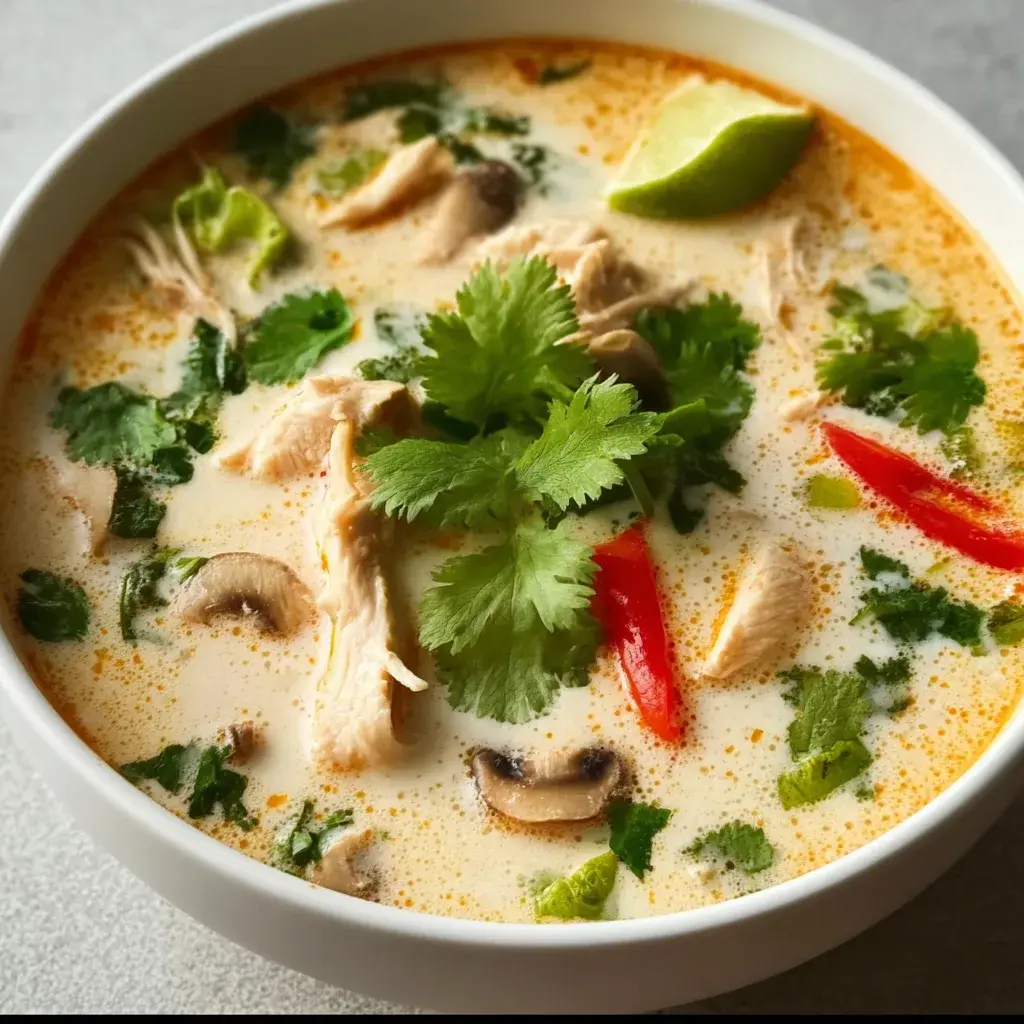
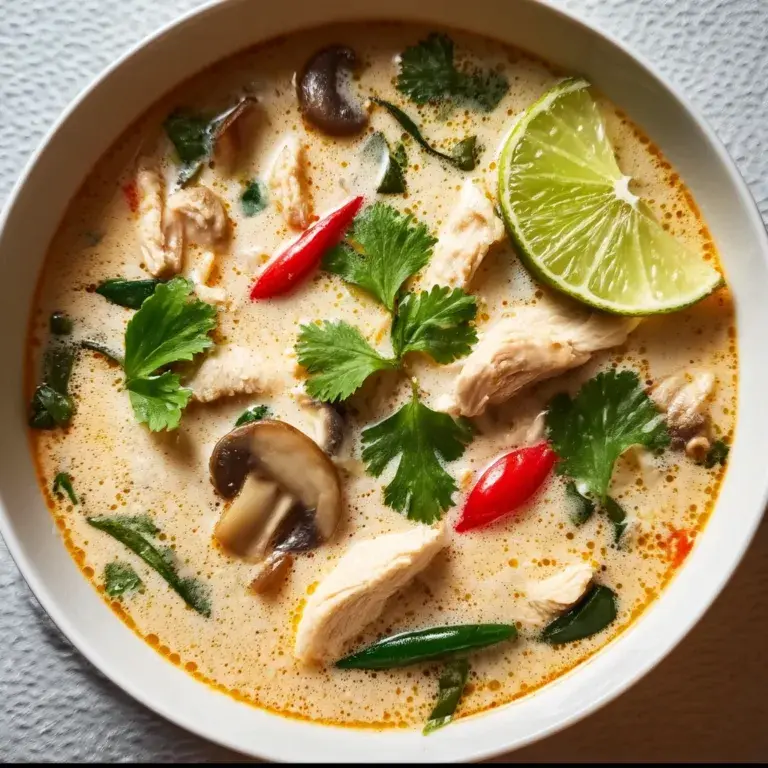
This Tom Kha Gai (Thai Coconut Chicken Soup) is creamy, tangy, slightly spicy, and incredibly fragrant. It’s made with coconut milk, lemongrass, galangal, and Thai chiles for a true taste of Thailand in under 30 minutes.
Total: 30 minYield: 4 servingsMethod: Stovetop
In this recipe
The first time I tasted this aromatic Thai coconut soup, I was instantly transported by its perfect balance of creamy coconut, zesty lemongrass, and gentle heat. There's something almost magical about how these ingredients dance together, creating a bowl that feels like a warm hug.
Why You'll Love This Tom Kha Gai: Flavorful Thai Coconut Soup
A Symphony of Authentic Flavors
The beauty of Tom Kha Gai lies in its harmonious blend of contrasting elements. The rich coconut milk creates a velvety base that's brightened by aromatic lemongrass, galangal, and lime leaves. These traditional ingredients aren't just for show—they're essential for that unmistakable Thai flavor profile. When these elements come together, they create a depth that makes each spoonful a journey rather than just sustenance.
Quick Yet Impressive Results
Despite its complex flavor profile, Tom Kha Gai comes together in about 30 minutes, making it perfect for both weeknight dinners and weekend entertaining. The layering technique is what makes this soup special—you'll build flavors gradually, infusing the coconut milk with aromatics before adding protein. Their faces when I reveal how quickly it comes together? Priceless! The best part is you can prepare most components ahead of time, making assembly a breeze when you're ready to serve.
Essential Tips & Tricks
Ingredient Sourcing Secrets
Finding authentic ingredients might seem challenging, but it's easier than you think. Look for fresh lemongrass in the produce section of well-stocked grocery stores or Asian markets. If fresh isn't available, jarred lemongrass paste works wonderfully too. For galangal, which gives Tom Kha its distinctive flavor, frozen is often better than dried. Can't find galangal? While not identical, ginger can substitute in a pinch. Kaffir lime leaves add incredible aroma—find them fresh, frozen, or dried. I once drove 45 minutes to a specialty store for these ingredients, but now I simply order non-perishables online and keep them in my Asian pantry staples collection.
Balancing the Perfect Broth
The secret to exceptional Tom Kha Gai lies in the balance of flavors. Start with less fish sauce and lime juice than you think you need—you can always add more. Taste frequently and adjust gradually. If your soup tastes flat, it usually needs more acid (lime juice) or salt (fish sauce). Too salty? A touch more coconut milk or a pinch of palm sugar creates harmony. This balance is what transforms good soup into an unforgettable experience.
Serving Ideas & Creative Variations
Traditional and Modern Accompaniments
Serve your Tom Kha Gai with a side of jasmine rice to soak up that flavorful broth. For an authentic Thai experience, offer small bowls of fish sauce with sliced Thai chilies, allowing guests to customize their heat level. Fresh lime wedges and cilantro sprigs make beautiful, functional garnishes. For a complete meal, pair with a simple cucumber salad dressed with rice vinegar and a touch of sugar, creating a refreshing counterpoint to the soup's richness. Check out my Thai cuisine collection for more pairing ideas.
Exciting Adaptations
While traditional Tom Kha features chicken, this versatile soup welcomes creative variations. Try seafood Tom Kha with shrimp and scallops for an elegant twist—just add them in the final minutes to prevent overcooking. For plant-based guests, tofu and mushrooms create a satisfying vegetarian version with wonderful texture contrasts. My personal favorite adaptation includes adding thinly sliced mushrooms and a handful of spinach in the final minutes of cooking. The soup's aromatic broth provides a perfect canvas for experimentation while maintaining its Thai soul.
Storage & Troubleshooting Guide
Proper Storage Methods
Store leftover Tom Kha Gai in airtight containers in the refrigerator for up to 3 days. The flavors actually deepen overnight, making this soup perfect for meal prep. If you notice separation after refrigeration, gently reheat over low heat, stirring occasionally to reincorporate the coconut milk. For longer storage, freeze the broth separately from any vegetables or protein—they can become mushy upon thawing. I often make double batches, freezing half without the chicken for quick future meals. When ready to enjoy, simply thaw overnight in the refrigerator and gently reheat, adding fresh herbs just before serving.
Solving Common Challenges
If your soup curdles or separates, the likely culprit is high heat. Coconut milk is sensitive to boiling temperatures, so maintain a gentle simmer. Another common issue is overwhelming bitterness, usually from kaffir lime leaves left too long in the broth—remove them after 15-20 minutes of simmering. If your soup lacks depth, try adding a splash of chicken stock concentrate or a touch more fish sauce. Too spicy? Add more coconut milk to temper the heat. I once salvaged an overly spicy batch by stirring in a spoonful of coconut cream—it beautifully balanced the heat while adding luxurious richness.
Frequently Asked Questions
What makes Tom Kha Gai different from other Thai soups?
Tom Kha Gai: Flavorful Thai Coconut Soup is distinguished by its coconut milk base and the unique combination of galangal, lemongrass, and kaffir lime leaves, creating a creamy, aromatic profile unlike other clearer Thai soups like Tom Yum.
Can I make this soup vegetarian?
Absolutely! Substitute vegetable broth for chicken broth and use tofu or mushrooms instead of chicken. The coconut base works beautifully with plant-based proteins while maintaining authentic flavor.
What if I can't find galangal?
While galangal gives authentic flavor, ginger makes a reasonable substitute. Use slightly less as ginger is more pungent, and add an extra squeeze of lime to approximate galangal's citrusy notes.
How spicy is traditional Tom Kha Gai?
Traditional versions have moderate heat from Thai chilies. Control spiciness by adjusting chili quantity or removing seeds. You can always serve extra chilies on the side for heat-lovers.
Can I make Tom Kha Gai in advance for a party?
Yes! Prepare the base a day ahead, stopping before adding protein. Refrigerate, then reheat gently, add chicken, and finish with lime juice and herbs just before serving for the freshest flavor.
Final Thoughts
Creating Tom Kha Gai: Flavorful Thai Coconut Soup at home connects us to Thailand's rich culinary traditions while providing endless opportunities for personalization. The dance of creamy coconut against bright aromatics creates something greater than its parts—a bowl that nourishes body and spirit alike. I hope this recipe brings as much joy to your table as it has to mine over the years. Remember, cooking is about the journey as much as the destination, so embrace the process of balancing flavors. Share your creations with me on Pinterest and let me know how you made this classic soup your own!
Tom Kha Gai Recipe: Authentic Flavorful Thai Coconut Soup Guide
This Tom Kha Gai (Thai Coconut Chicken Soup) is creamy, tangy, slightly spicy, and incredibly fragrant. It’s made with coconut milk, lemongrass, galangal, and Thai chiles for a true taste of Thailand in under 30 minutes.
- Soup
- Soup
- Stovetop
Cook’s checkpoint
- Frying oil
- 350°F / 175°C
- Chicken, thickest part
- 165°F / 74°C
Use a food thermometer. Color and time alone don’t confirm poultry is done.
Ingredients
Instructions
Notes
- For a vegetarian version, use tofu and vegetable broth, and replace fish sauce with soy or coconut aminos.
- Can be made ahead—flavors deepen over time.
- Kaffir lime leaves and galangal are available at Asian markets or online.