Beef Chuck Steak
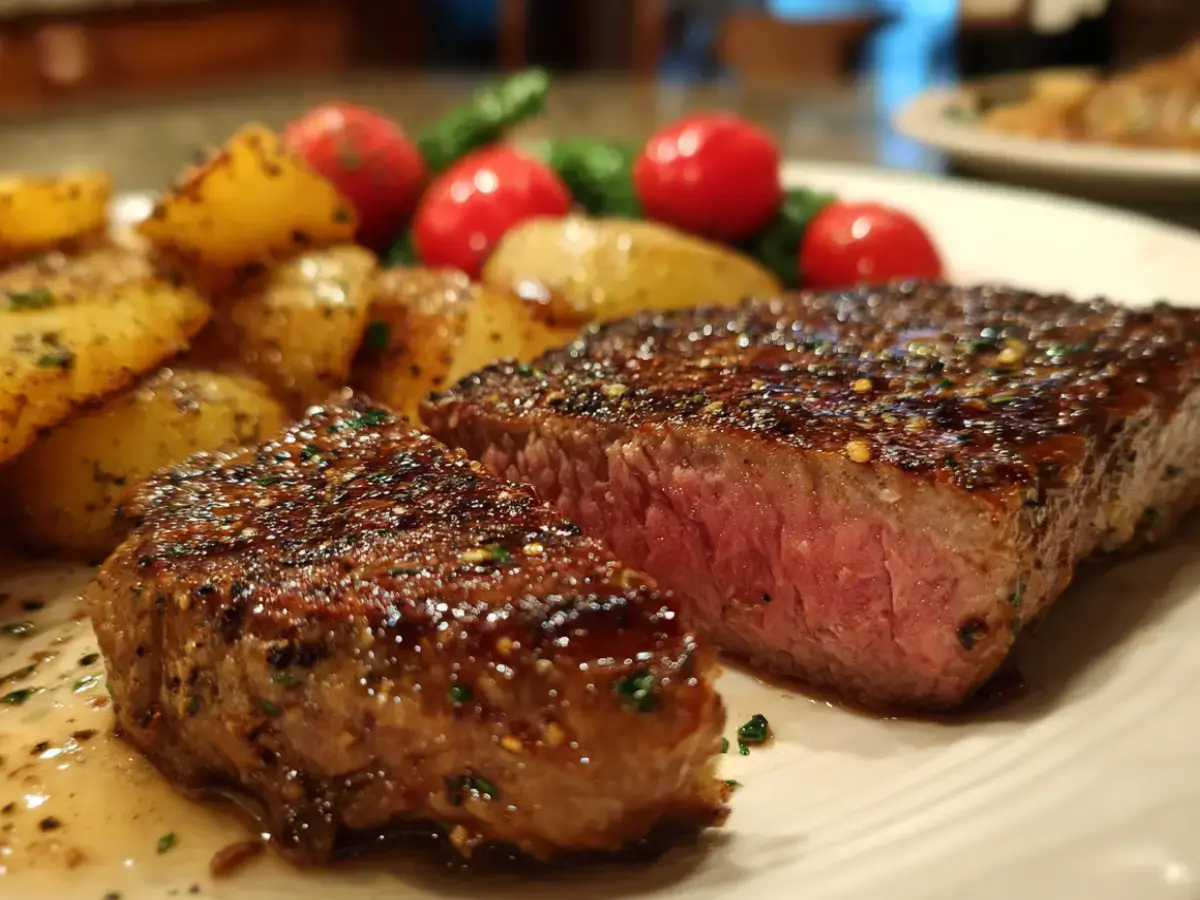
A shoulder cut at half the price of a ribeye, and three techniques that close most of the gap.
Total: 4 hr 30 minYield: 4 servingsMethod: Pan Searing
In this recipe
What chuck steak actually is
Chuck comes from the shoulder and neck, an area the animal uses constantly. Hard-working muscle develops deep beef flavor and a great deal of connective tissue at the same time — which is why chuck tastes better than its price suggests and why it needs handling that a tenderloin does not.
Chuck steak and chuck roast come off the same primal. The difference is the cut: roasts are left in large blocks for slow braising, while chuck steak is sliced across into steaks generally between one and three inches thick.
Within the section, the chuck eye steak sits nearest the rib and is noticeably more tender than the rest — it is sometimes sold under a nickname referencing its ribeye neighbour. There are only a couple of them on each animal, so most chuck steak on a counter is not chuck eye, and the recipe is written for the ordinary kind.
The marbling running through it is the useful part. Rendered by high heat it bastes the meat from the inside, which is why searing hard works better here than a long gentle cook that a roast would want.
The three things closing the gap
Chuck will not become a ribeye. It can get much closer than most people expect, and each of these does a different part of the work.
- 01An acidic marinade, 4 to 8 hoursBalsamic vinegar and soy sauce weaken the connective tissue at the surface and season the meat well beyond the crust. Under four hours makes little difference; well past eight and the exterior turns mealy as the acid keeps working.
- 02A hard sear on dry meatDeep browning creates flavor compounds that no marinade can add, and it only happens on a dry surface in a properly hot pan. This is why the marinade gets scraped off and the steak patted dry.
- 03Compound butter on the restGarlic, rosemary and thyme in softened butter melt over the resting steak and become an instant pan sauce. It also adds fat back to a cut that is leaner in places than a premium steak.
Heat, temperature and rest
Three separate numbers that are easy to confuse with one another.
- Pan temperatureThe skillet should just begin to smoke before the oil goes in. This is about the surface of the pan, not the inside of the steak, and it is what produces a crust in three to four minutes rather than eight.
- Internal temperature145°F (63°C) at the center is the USDA safe minimum for whole cuts of beef. Measure into the thickest part, away from any bone or fat seam, and take the reading off the heat.
- The 3-minute restUSDA states the 145°F figure together with a 3-minute rest — the temperature carries on working through the meat during it. It is part of the safe figure, not just a serving nicety.
- The 10-minute restTen minutes covers the required three and gives the juices time to redistribute, so they end up in the meat rather than on the board. It is also exactly how long the butter needs to melt down.
Troubleshooting
| Problem | Cause | Fix |
|---|---|---|
| The steak is tough | Not marinated long enough, or sliced with the grain. | Give it at least 4 hours in the marinade and always slice across the grain. Both matter on this cut; neither is optional. |
| No crust formed | The steak went into the pan wet, or the pan was not hot enough. | Scrape off the marinade, pat it thoroughly dry, and wait for the skillet to smoke before the oil goes in. |
| The outside burned before the center was done | The steak went in straight from the refrigerator. | Let it sit out 30 to 45 minutes. A fridge-cold center needs so long that the surface overcooks. |
| The pan filled with smoke | Olive oil at searing temperature. | Use avocado or grapeseed oil, which hold a much higher smoke point. |
| The juices ran out onto the board | It was cut too soon. | Rest it 10 minutes under loose foil. Cutting early loses exactly the moisture the marinade was there to keep. |
Storage and reheating
Refrigerate cooked steak up to 3 days. Leftover chuck is genuinely better sliced cold for sandwiches than reheated, because reheating always takes it further along than it was.
If you do reheat it, take it to 165°F (74°C), the USDA safe temperature for leftovers, in a covered pan over low heat with a spoonful of broth. Any faster and it tightens.
Raw steak keeps in the marinade for up to 24 hours refrigerated, but no longer — past that the acid begins to break the surface down into something soft and floury. The compound butter keeps a week in the refrigerator and three months frozen.
Beef Chuck Steak
A budget shoulder cut marinated in an acidic mix to loosen it, seared hard in cast iron, and finished under garlic herb butter that melts into a sauce while it rests.
- Beef
- Main Dish
- Pan Searing
Cook’s checkpoint
- Frying oil
- 350°F / 175°C
- Chicken, thickest part
- 165°F / 74°C
Use a food thermometer. Color and time alone don’t confirm poultry is done.
Ingredients
For the marinade
For the steaks
For the garlic herb butter
Instructions
Notes
- Steakhouse practice is to pull steaks below 145°F for a rarer center. That is a texture preference and it sits under the published USDA figure; the temperature in step 5 is the safe minimum, stated so the difference is visible.
- The same marinade and butter work on the grill: direct heat, the same times, and the same rest. The crust is slightly less even than in cast iron.
- Chuck eye steak, cut from the end of the chuck nearest the rib, is the most tender steak in this section and can be treated the same way with a shorter marinade.
Cooking Mode
Questions
- How long should chuck steak be marinated?
- Four to eight hours. Less than four and the acid has not had time to work on the connective tissue; much more than eight and the surface texture starts to suffer.
- Can this be cooked in a cast-iron skillet on an ordinary stove?
- That is the method this recipe is written for. Cast iron holds heat when cold meat lands on it, which is what makes the crust possible on a domestic burner.
- What is the ideal internal temperature?
- USDA publishes 145°F (63°C) plus a 3-minute rest as the safe minimum for whole cuts of beef, and that is what step 5 cooks to. Lower pull temperatures are a common preference and are noted in the recipe, but they sit below the published figure.
- What should be served alongside?
- Roasted vegetables such as asparagus or Brussels sprouts, and something to catch the butter — bread, or potatoes. Deglazing the pan with a splash of red wine or beef broth turns the fond into a second sauce.